Tag: short-story

  • Of Clay and Sand

    Of Clay and Sand

    The first action recorded in the Bible is an act of creation. 

    On the first day was the creation of light, the second was the sky and seas, the third the clay that made the land. The Lord put much time and care into these creations, to such a precision that if any single cell or atom were constructed in a different way, the entire universe would fall apart. But more than that, God had a plan for this universe, and it had to begin with the creation on the third day. 

    And on the sixth day God made man. He created man in his own image and named him Adam. And God gave the man the ability to choose. He could choose what to name the animals; he could choose where to grow the plants. He put a tree in the center of the garden that Adam lived in and told him to not eat the fruit growing from it. He could have refrained from giving him this command; if the tree was harmful he could have removed it; yet he let Adam make the choice. 

    He allowed Adam the ability to choose because God is an artist with love for his creation. On the third day he created clay that he would use to sculpt his finest creation on the sixth. A creation that he deemed “very good.” And though he understood the inevitable cost that would come from giving his masterpiece a working mind, one that dared to challenge him, he did so with grace. For God is an artist full of love, and he could not help but create another artist to share the feeling with. 

    And for a time Adam lived in the portrait that his father painted for him. He lived in the wild reds and greens and blues that made up the garden his father grew. And in that time Adam found himself to be an artist as well. He would name the feathered beasts in the morning and dance with his wife in the afternoon. He would grow a tree at dawn and whittle a plank at dusk. And his work was not work because he loved what he did. 

    But the unchallenged world is not one an artist lives in for very long. So one day the man ate the fruit, and ashamed of what he had done, left the grove his father had planted for him. And what was once a sea of color was now a field of dust and sand. And though God loved Adam, Adam grew to resent God. For the kindness of the father to let his son wander away left the son with pinpricks in his heart from his own mistakes. These needles would slowly poke at the man again and again, and the more Adam kept his eyes turned away from God, the deeper they seemed to dig. 

    So Adam was in pain. He felt this pain in Syria, he felt this pain in Egypt. He felt it in Jericho and he felt it in Nineveh. And he focused on this pain through Rome and Germany and Spain and New York. He directed his eyes to the pinpricks of his heart and dared not to look above for his father, in case the spikes chose to dig themselves deeper when he wasn’t paying attention. 

    And in all his time that he focused on his pain, Adam grew to hate his father for it. He hated his father for allowing him to suffer, for turning his face away the moment he made a wrong choice. He hated his father for the dust and sand and hard labor that made up his days. 

    More than all of this, however, Adam hated his father because he could no longer see his face. That he couldn’t hear his voice in the air, or feel his hand on his back. Adam hated his father for taking Eden away from him, all in the name of love. And Adam hated his father because more than anything, he missed him. 

    So on the eighth day Adam made god. He took the rotting pools of red, green, and blue, shoved it in the solid sand he manufactured himself, and called it a god. He made god in his own image, because he could no longer recognize his father in himself. And Adam refused to allow his god the choice his Father gave him, for that is what caused his own pain in the first place. His son could do many things, but he would never be an artist. 

    And this new god lived in the dust and sand his father built him from. And in that time the god had no capacity to be anything other than what his father wished for him to be. So his father would come to him each day with new colors for him to replicate, of which he could only do so around half of the time. And the ground became littered with paper from trees long burned to the ground, filled with pictures of men and women the god never knew. 

    But eventually, time passed, and the winds would rage on. And in the winds of time the sand that made up the god would need to harden in order to withstand the changing weather. So in the middle of the dry landscape there stood a towering, shining god made of glass. 

    And when Adam, his father, arrived again, he called this god very good. For finally, the image of god had become his own reflection. And he no longer felt alone.
  • Prayers From Jonah

    Prayers From Jonah

    God of the Universe. 

    I apologize for swearing the last time we spoke. I understand that I must hold these conversations to a standard greater than myself.

    The truth, God, is that I am an impossibly weak man. I am weak in all the ways that matter most. I am weak to temptation, I am weak to pride, and I am weak to self control. And it is because of this weakness that I find myself cracking every mirror I find myself looking upon. I numb the pain that comes from the shattered glass with an endless stream of everything possible. Good news, bad news, loud noise, impossible silence. Meaningless discourse about the state of the world that I use to harm myself without using a blade. And this constant numbing makes me weaker than I was before, so yes I am a weak man. 

    Perhaps the truth that makes me this weak is my insistence that I can stomach the weight of the world on my own. Your ministry on Earth revolved almost exclusively on the idea that we are made strong through our relationships, first with yourself, then with the others around us. Yet I live in the constant fear that the weakness and pain will shatter these relationships, rather than grow stronger. This is because I am a cruel person, one who tires from having people come to me with their own burdens. When I am given the opportunity to pull someone else out of their gutter, I instead turn away and focus on myself. The reality is that as I whine and complain about my problems, even now, I do this, often to the people I care about. 

    So, if I am too cruel and selfish of a person that I dread the idea of loving my own neighbor, why should I be deserving of my neighbor’s love for me? And more importantly, why should I ask for a reprieve from the all powerful Jehovah-Rapha if I am cruel in this way? Perhaps, then, this is a fitting world that I live in. A world with ceaseless, monotonous noise from places I don’t want to hear from, and absolute silence from the ones that I do. 

    In short, I have a hard time loving myself, sin and all. And because of that disdain I do not attempt to reach my hand out from the sinking ship and rather find myself sinking into the Sea, without a door to float on and only the icy waters to sink into. 

    I find my mind is a boat in the ocean, constantly creating cracks that must be patched up. And on that boat is a creature who I ignore. It is a small, furry thing with a bushy tail and bulbous cheeks. And it has the task of scouring throughout the entire boat, plugging holes into the cracks that form around it. It does so with truth: truth it has gained throughout its life. Sometimes, when the creature speaks, its truth shudders over my back, and it seals the crack it was formed out of. Other times, the creature will speak and the crack will deepen, releasing more of the torrential ocean water and swiping the creature away. I often ignore the furry beast, not because it intends to hurt me, but because of the fear I have whenever it opens its mouth. And so I ignored the one thing that was trying to patch my boat together. 

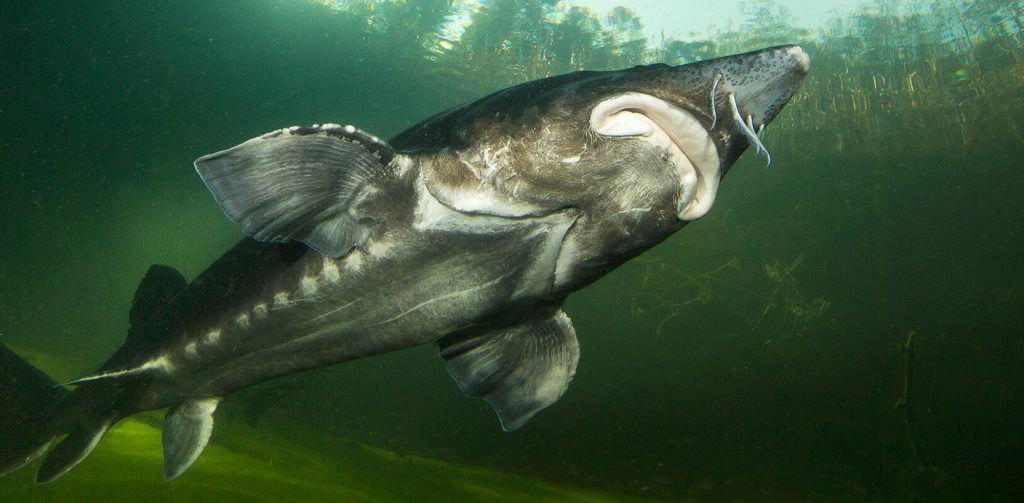
    I did this until one day, where I was out on the sea. The beast was patching holes in the boat when I found myself gazing at the water, hoping I may be ignored long enough to plunge into the depths once more. And in that moment, as I stared into the sea, I could see two large eyes staring back at me. And before I knew it, a beast even greater than the one in my boat emerged from the depths. Its eyes were cold and unfeeling, and it had scales and fins that shimmered from the reflection of the sun upon the water. And the fish opened its gaping mouth and swallowed me whole. 

    I couldn’t breathe, and I could hardly move. If I were to move any bit, the acids that made up its stomach were sure to swallow me whole. My boat was completely fractured, sizzling under the fish’s horrible gullet. 

    And I thought to myself that this was a fitting punishment for one like myself. One who appears so holy, yet crumbles under the weight of their own flesh. Perhaps this is a fitting world that I live in now, where the noise of the acid is ceaseless and relentless and the silence of everything else is unbearable. And I thought of all the choices that led me to this moment: the doubts, the pride, the arrogance, the shame. Perhaps if I invested in a larger boat, or a competent crew, or tracked the weather better I would have known that great fish come out at this time of year. 

    And perhaps if I had chosen to go to Nineveh in the first place, I would never have met the fish at all.  

    “Why are you afraid?”

    The voice called out in the belly of the beast. I turned and found the smaller creature had followed me within. Its small claws are set atop a plank of wood, and its sharp, black eyes gaze at me, creating a light that should be impossible in this dark stomach. And it asks me again:

    “Why are you afraid?”

    “Creature, we are in the belly of a beast. I have every right to be afraid. And even if we were to leave by some miracle, the boat that is our safe passage will never be how it once was. We will surely die.”

    And the creature responded:

    “Where is your faith, Jonah?”

    Around us, a plank of wood sinks into the stomach acid, and the sizzle is the only thing that echoes in this hellish place. 

    “Faith has no place in the lungs of those who God turns away from.”

    The small, furry thing looked upon me. And you said:

    “Jonah, I have been with you every moment.”

    And I froze. For the truth had washed over me, and a crack was healed. And in that moment I found myself truly looking upon the squirrel, and seeing your face within it: and inescapable truth of love and salvation. And I began to cry. 

    The truth, God, is that I am an incredibly weak man. I am weak in all the ways that matter most. And yet, in my weakness, you are both the squirrel and the fish, repairing my wounds with you undeniable truth and bringing me exactly where I must go. And that truth is what allows me to be strong, for you and the noise around me. 

    So I pray now to receive those gifts again, Lord. As I find myself departing to the seas again, repair the raft I find myself on, and let the winds guide me to where you desire. And more than all these things, let the love you have for me be echoed through every row, every wave, and every storm. 

    Amen. 

  • The Boy and the Bear

    The Boy and the Bear

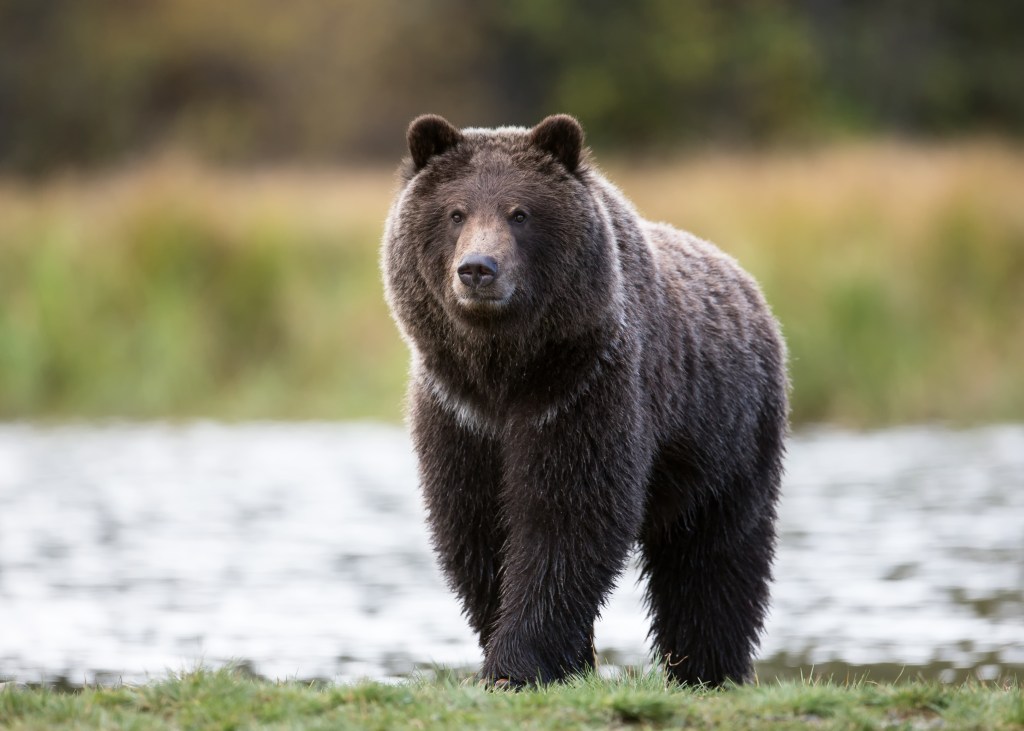
    In a green forest with towering trees and brambles of bushes lived a boy and a bear. 

    Now the bear had lived in this forest for quite a long time. So when it came across the boy for the first time, it was unlike anything the bear had seen. It looked to have been wearing thin furs unknown to the bear. Thin cottons and denim for legs. Yet, despite these differences, the bear found the boy and him had many things in common: messy hair, large ears, and a love for rolling in the grass. So the bear took the boy in as one of its own.

    But the bear had lived in the forest for a long time. And it knew that one day, as it does every year, a large, white blanket would cover the forest. The blanket was the perfect time to take a loooong nap, and the bear had plans to do just that. It had picked out a nice cave for itself so it may take a looooong nap when the white blanket falls down. 

    But the bear now had the boy. And so, one day, the bear took the boy to a babbling brook, and said this to him:

    “Look here, boy. This is how you chomp with your mouth.”

    And the bear opened its gaping jaw, and a large salmon flung into it. It then crunched down on the salmon, gulping it down into one bite. 

    The boy, seeing this, leaned his small head to the side of the river, and opened wide. And when a salmon flung at the boy’s head, his mouth was too small to bite down on it. So SMACK! It hit him square on the cheek. 

    Now the bear was worried. How will the boy eat when he takes his loooong nap? And it turned its head in shame. 

    But the boy laughed at the matter, and grabbed a rock. His eyes squinted, as he threw it into the river. And in the ripples of the current, a salmon floated to the top. And the boy now had a fish. 

    Another day, the bear took the boy to a large pine tree, and said this to him:

    “Look here, boy. This is how you scratch with your legs.”

    And the bear leaned his furry back against the tree, moving his body up and down. How it loved the sensation! And after its massage, it plopped itself onto the ground and wiggled around in the leaves and branches. 

    The boy, seeing this, leaned its back to the tree and did the same. But a yelp was sounded from the boy. His back was red, with small bits of wood stuck to it. He quickly scrambled to pick the splinters off of his back. 

    Now the bear was worried. How will the boy find comfort when he takes his loooong nap? And it turned its head in shame.

    But the boy laughed at the matter, and grabbed a branch that the bear had wiggled in, and used it to scratch his back. And the boy had a new walking stick. 

    Now, at this point, the bear believed itself to be a bad teacher. But it knew that the white blanket was just around the corner. And when it laid itself down, many creeping beasts would try to poke their heads among the forest. So the bear asked a nearby fox to help him with a lesson.

    And on another day, the bear took the boy to the fox hole, and said this to him:

    “Look here, boy. This is how you roar with your chest.”

    And as the fox poked its head out of its hole, the bear got up on its back legs and roared a mighty roar. As it did, the birds rustled themselves out of their nests, and the fox hurried away, back into it’s small home it had made for the blanket. 

    The boy, seeing this, took a large breath. And when the fox poked its head out of its hole, the boy yelped as loud as he could. But instead, the fox laughed at the boy!

    “You sound just like a small fox cub!” The fox proclaimed!

    Now the bear was worried. How will the boy protect himself when the creeping beasts come? And it turned away in shame.

    But the boy furrowed its brow, and began to stomp its feet. And the sound from the ground made a deep groan with each foot step. And the fox’s laughs turned into small whimpers, as it scurried into his hole, the lesson in his mind clearly over. And the boy learned to stomp.

    But the time had come for the blanket to fall. But the last moments before the bear’s looooong nap were ones of fear. How could the boy the bear had grown fond of possibly live in the large blanket? So the bear looked to the boy before it closed its eyes, and said this to him:

    “I am sorry boy. You didn’t learn to chomp with your mouth, scratch with your legs, or roar from your chest. I am afraid I am not very good at teaching bears.”

    But the boy simply laughed at the matter, and stood up in the bear cave. He grabbed a stone and threw it perfectly into the log fire. He took a stick and scratched his back. And he stomped, and stomped and stomped until the leaves in the cave bounced along with him. And the boy leaned in front of the bear’s gaping maw and said this to it:

    “Silly bear! You took me to the river, played near the towering trees, and let me make friends with Mr. Fox.”

    And the bear would not know what would happen when the blanket would fall. But as it looked at the boy with messy hair and large ears rolling in the grass, this occurred to it:

    Perhaps I didn’t need to teach him to be a bear at all.